Why Sea Freight is the Backbone of International Trade
Introduction
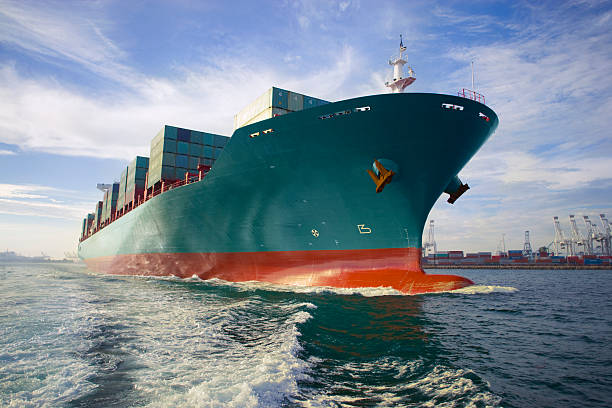
Global trade depends heavily on sea freight transportation. Every day, cargo ships move millions of containers carrying products, raw materials, and industrial equipment across international waters. Sea freight remains one of the most cost-effective and reliable methods for transporting goods in large volumes.
Businesses involved in import and export operations rely on ocean freight services to maintain supply chain efficiency and reduce shipping costs. With strong international shipping networks and advanced container systems, sea freight continues to support economic growth worldwide.
Understanding Sea Freight
Sea freight refers to the transportation of goods through cargo ships across oceans and international waterways. It is commonly used for bulk shipments and heavy cargo.
Types of Sea Freight Services
Full Container Load (FCL)
FCL shipping is used when a business requires an entire shipping container for its cargo.
Less than Container Load (LCL)
LCL shipping combines smaller shipments from multiple businesses into a single container.
Advantages of Sea Freight
Cost-Effective Transportation
Sea freight is more affordable than air freight for large shipments.
Suitable for Heavy Cargo
Large industrial equipment and bulk commodities can easily be transported through sea freight.
Global Shipping Network
Ocean freight connects businesses to international ports worldwide.
Eco-Friendly Shipping
Compared to air freight, sea freight generally has a lower carbon footprint.
Common Cargo Transported by Sea
Sea freight accommodates a wide range of products including:
- Electronics
- Machinery
- Construction materials
- Agricultural products
- Automobiles
- Industrial equipment
Importance of Containerization
Standardized containers have revolutionized sea freight logistics.
Improved Security
Containers protect cargo from damage and theft.
Efficient Handling
Loading and unloading become faster and more organized.
Multimodal Transport
Containers can be moved seamlessly between ships, trucks, and trains.
Challenges in Sea Freight
Port Congestion
Busy ports can lead to shipment delays.
Weather Conditions
Storms and rough sea conditions may affect transit schedules.
Documentation Complexity
International shipping requires extensive paperwork and customs compliance.
How Speed Scope Simplifies Sea Freight
Speed Scope offers reliable ocean freight services with complete logistics support.
Competitive Freight Rates
We provide cost-effective shipping solutions for businesses of all sizes.
Cargo Tracking
Clients can monitor their shipments throughout the shipping process.
Customs Assistance
Our team ensures smooth customs clearance procedures.
Secure Cargo Handling
We prioritize safety and professional handling of shipments.
The Future of Sea Freight
Modern technologies such as AI, blockchain, and automation are transforming the shipping industry. Smart ports and digital tracking systems are improving operational efficiency and reducing delays.
Conclusion
Sea freight remains the foundation of international trade due to its affordability, reliability, and ability to transport large cargo volumes. Businesses looking for efficient import and export solutions can benefit greatly from professional ocean freight services. Speed Scope continues to support global trade with secure and dependable sea freight logistics.